Small Batch, Big Energy: The Underground Sneaker Labs Leaving Nike and Adidas in the Dust
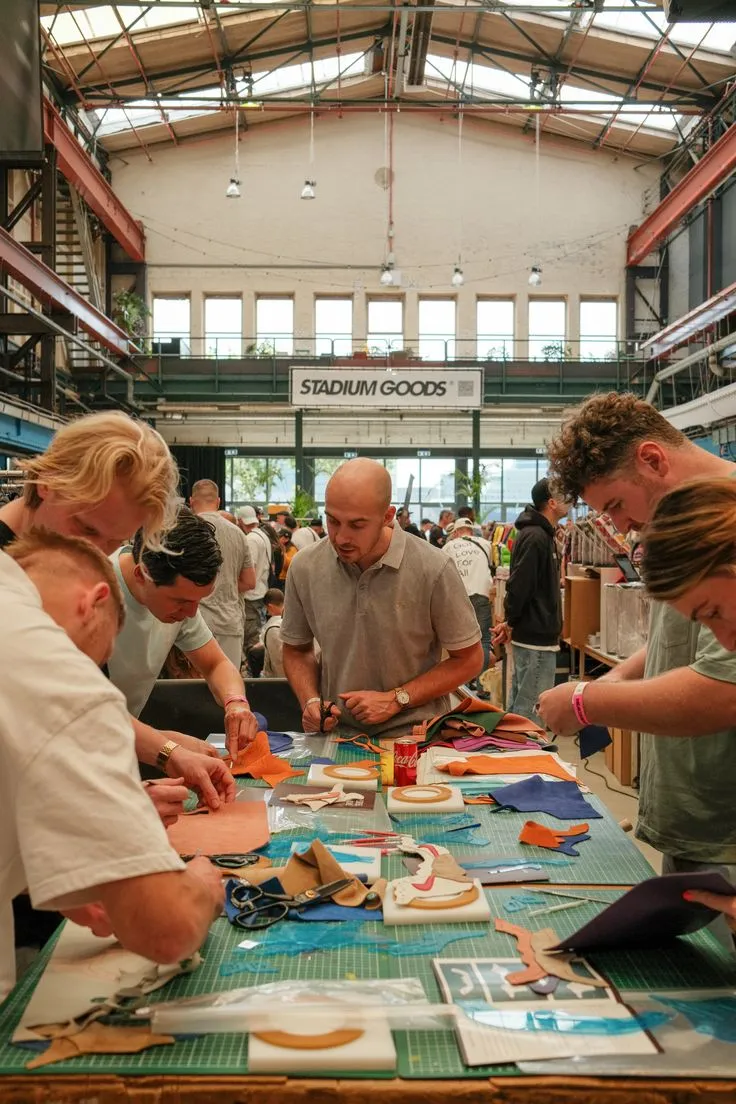
Photo: indie sneaker designer workshop small batch handmade footwear urban, via i.pinimg.com
For decades, the sneaker game had two kinds of players: the giants and everyone else. Nike dropped a colorway, the internet lost its mind. Adidas tapped a celebrity, resale prices went nuclear. The formula was airtight — until it wasn't.
Something shifted. Quietly, then all at once, a generation of sneaker obsessives stopped camping outside Foot Locker and started scrolling through the Instagram drops of brands most of their parents have never heard of. The gatekeepers didn't fall — they just became irrelevant.
Welcome to the era of the sneaker scientist: indie footwear founders who are running circles around the athletic establishment not by outspending them, but by out-thinking them.
The Lab Is Open (And It's Tiny)
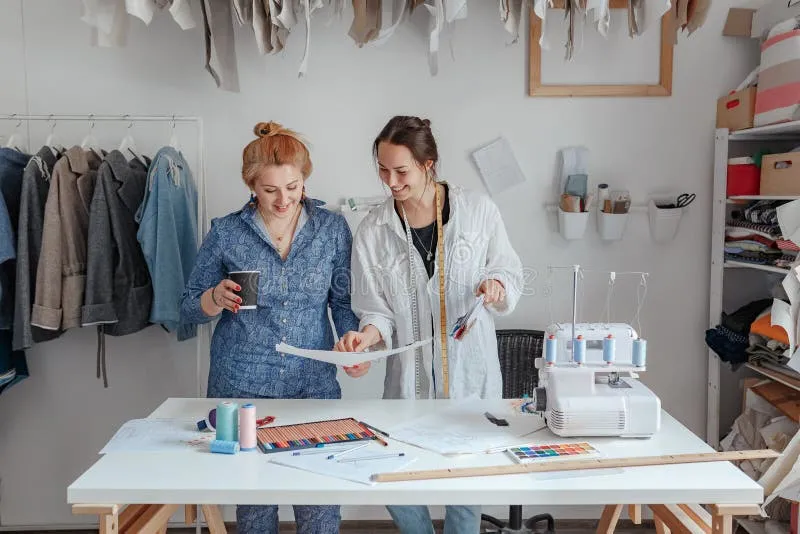
The most exciting sneaker innovation happening right now isn't in Beaverton, Oregon. It's in converted warehouses in Detroit, small studios in Atlanta, and one-person operations running out of apartments in Brooklyn. These makers — part designer, part chemist, part storyteller — are treating footwear like a craft product instead of a mass-market commodity.
Take brands like Saysh, Atoms, and newer players like CARIUMA and Thousand Fell. Each one has carved out serious cultural real estate by doing something the big guys structurally can't: moving slow on purpose. Limited production runs mean every pair carries weight. When a drop sells out in 11 minutes, it's not a supply chain failure — it's a statement.
"The scarcity isn't manufactured hype," one indie founder told us. "It's just what happens when you're actually making something with care."
That distinction matters more than it sounds. Gen Z — arguably the most marketing-literate generation in history — can smell artificial scarcity from a mile away. When a brand with 4,000 Instagram followers drops 200 pairs of hand-stitched sneakers made from recycled ocean plastic, that's a different kind of story entirely.
Sustainability That Actually Holds Up
Let's be real: Nike has a sustainability page. So does Adidas. Both companies have announced ambitious environmental goals, and both have faced serious scrutiny over whether those goals translate to meaningful action or just polished PR copy.
Indie brands are operating under a different kind of pressure — the kind that comes from a customer base that will actually read your manufacturing disclosures. Brands like CARIUMA have built their entire identity around traceable materials and carbon-neutral shipping. Thousand Fell created a sneaker designed to be fully recycled at end of life, with a take-back program that works. These aren't footnotes in an annual report. They're the whole pitch.
For Gen Z consumers who grew up watching climate anxiety become a daily reality, this transparency isn't a bonus feature. It's a baseline expectation. And right now, the small guys are meeting that bar more consistently than the conglomerates with the resources to actually scale it.
Customization as Culture
Here's where it gets really interesting. The mega-brands have tried customization — Nike By You has been around in various forms since 1999. But there's a fundamental ceiling on what a mass-production operation can offer. You can change the colorway. You can add your initials. You're still buying a Nike.
Indie footwear is collapsing the distance between maker and wearer in ways that feel genuinely new. Some brands are building made-to-order models where customers specify materials, sole thickness, and construction details. Others are running collaborative design programs where community members literally vote on what gets produced next.
This isn't just a cool feature — it's a fundamentally different relationship with the product. When you helped decide what the shoe looks like, when you know the name of the person who stitched it, when the brand's founder responds to your DM — that pair of sneakers carries a different kind of meaning. It becomes part of your identity in a way that a mass-market silhouette, no matter how iconic, simply can't replicate.
Urban sneaker culture has always been about self-expression. What these indie brands understand is that self-expression hits different when the product is actually built around you.
The DTC Advantage
Cutting out the retailer isn't just a business model decision — it's a communication strategy. When a brand sells directly to its customers, it controls the entire narrative. There's no Foot Locker shelf placement to negotiate, no department store buyer deciding which colorways make the cut, no third-party markup that inflates the price while diluting the story.
Direct-to-consumer also means data. Indie brands know exactly who their customers are, what they're buying, how they're styling it, and what they're saying about it online. That feedback loop is tight and fast. A small brand can identify a trend, prototype a response, and drop a product in the time it takes a corporate design committee to schedule its first meeting.
This agility is a genuine structural advantage. Fashion moves at the speed of culture now, and culture doesn't wait for quarterly planning cycles.
What the Big Brands Are Actually Scared Of
Nike and Adidas aren't going anywhere — let's be clear about that. The resources, the athlete relationships, the global distribution networks — those are real moats. But the cultural authority? That's more fragile than either company would like to admit.
The sneaker giants built their empires on the idea that they defined what was cool. They signed the right athletes, they controlled the drops, they decided what mattered. That model worked beautifully for about 40 years.
What indie brands have demonstrated is that cultural authority can be built differently now — through community, through craft, through radical honesty about how things are made and why. You don't need Michael Jordan. You need a story that people actually believe.
And right now, a lot of people believe the small guys more.
The Next Wave
Watch for the next evolution to get even more local. Hyper-regional brands — sneaker makers rooted in specific city cultures, using materials sourced from particular places, telling stories tied to actual neighborhoods — are starting to find real audiences. It's the ultimate antidote to globalized, algorithmic fashion: a shoe that could only come from one specific place.
For anyone paying attention to where urban style is actually heading, the message is clear. The sneaker lab of the future might not have a swoosh on the door. But it'll have something more valuable: a community that actually gives a damn about what's being made inside.