From the Ballroom Floor to the Runway: Who Really Owns the Aesthetic?
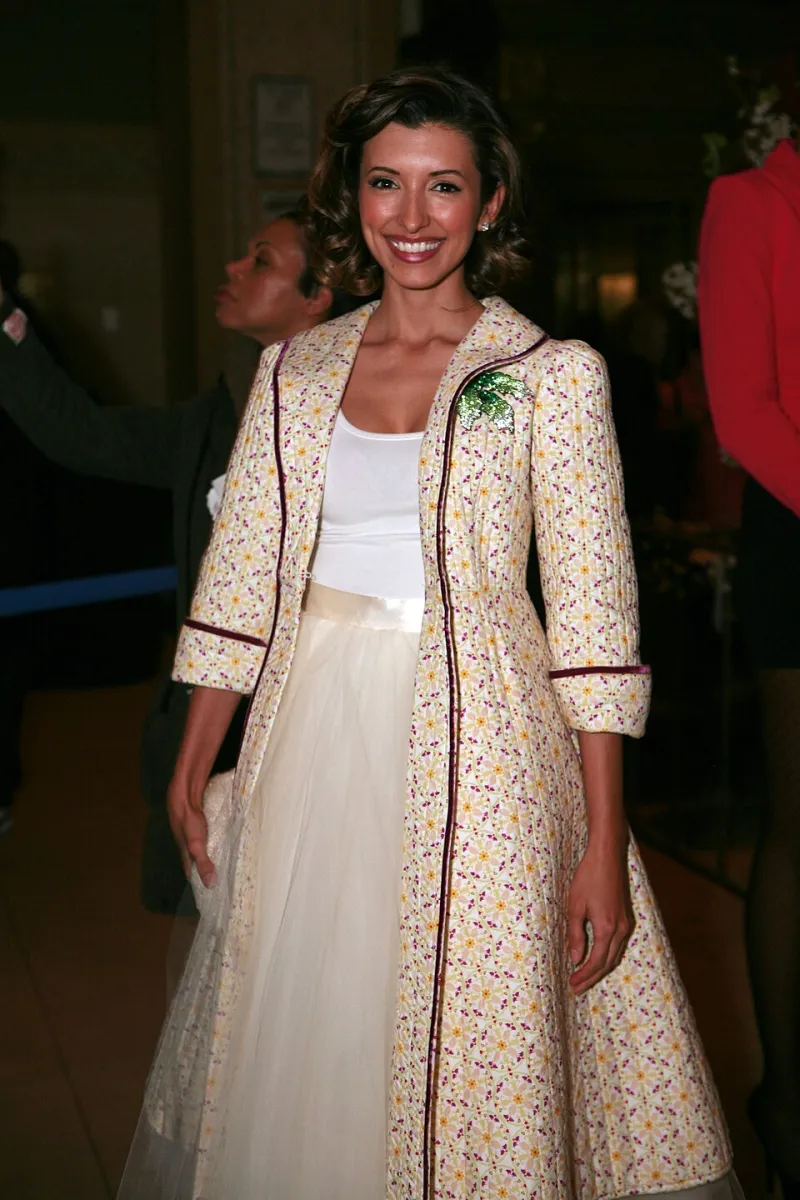
Photo: BeautifulPlanningMarketing&PR, CC BY-SA 2.0, via Wikimedia Commons
Let's be honest about something: the next time you see a major fashion house drop a collection dripping in dramatic silhouettes, exaggerated shoulders, and a runway walk that looks like it belongs at a House of LaBeija ball, somebody owes somebody a check.
Because the aesthetic didn't start in Paris. It started in Harlem church basements, in sweaty Detroit warehouses, in New Orleans bounce venues, and in every underground ballroom where kids who got kicked out of their homes built entire worlds out of fabric, attitude, and survival. Black club culture has always been fashion's most generous — and least credited — donor.
The Underground Was Never Underground to Itself
Here's the thing about ballroom and voguing culture that mainstream fashion media consistently gets wrong: it was never "underground" to the people living it. Houses like Xtravaganza, Ninja, and Ebony had their own fashion hierarchies, their own runway categories, their own standards of excellence that were rigorous and deeply technical. "Realness" wasn't just a vibe — it was a scored performance with judges, legacy, and community stakes attached.
Regional club scenes added more layers. Chicago footwork brought utilitarian streetwear into conversation with near-athletic movement. Atlanta's trap-influenced club nights pushed oversized, logo-heavy looks into new territory years before "quiet luxury" made restraint fashionable. Baltimore club culture merged skintight silhouettes with maximalist accessories in ways that still haven't been fully processed by the fashion press.
These weren't trends. They were living, breathing style ecosystems with their own internal logic.
When the Runways Come Calling
Then came the co-option. And look — cultural exchange is real, and not every reference is exploitation. But there's a pattern worth naming.
In 2018, Virgil Abloh's debut Louis Vuitton Men's collection pulled hard from streetwear and Black American style vernacular, and because Abloh was a Black designer himself, the conversation was nuanced. But most of the time, that nuance goes missing. A luxury brand drops a collection with exaggerated proportions and dramatic draping lifted straight from ballroom aesthetics, pairs it with a runway soundtrack that sounds like a DJ set from a Harlem pier party, and the press calls it "avant-garde."
The ballroom kids call it Tuesday.
TikTok has accelerated this cycle to a genuinely dizzying speed. A new vogue category breaks on a Saturday night livestream; by Wednesday it's a meme; by the following fashion week, some creative director has "been inspired by movement culture." The time between creation and appropriation has collapsed so dramatically that credit becomes almost impossible to trace — which, critics argue, is convenient for everyone except the originators.
The OGs Still Holding It Down
While the fashion industry debates aesthetics in think pieces, the people who built this culture are still in their communities, still competing, still innovating — often with very little financial reward for their cultural labor.
Mother Leiomy Maldonado — widely known as the "Wonder Woman of Vogue" — has consulted for major brands and appeared in high-profile campaigns, and her visibility is real progress. But for every Leiomy, there are dozens of legendary figures in regional ballroom scenes whose influence radiates outward without a single royalty payment or design credit attached.
Organizations like the Parity Project and various ballroom community funds are working to change that, creating economic pipelines that keep money circulating within the communities that generate the culture. Some designers — particularly emerging Black and queer designers — are doing the work of direct collaboration and profit-sharing. They're modeling what it looks like when the relationship is reciprocal rather than extractive.
What Real Credit Actually Looks Like
Crediting culture isn't just about mentioning a subculture in a press release. Real credit has several components, and fashion brands need to understand all of them.
Financial compensation means hiring ballroom and club community members as paid creative consultants, not just as set dressing or one-time collaborators. Design credit means naming specific communities and influences in collection notes — not vague gestures toward "street culture" or "urban movement." Sustained investment means funding ballroom events, supporting community spaces, and showing up when the cameras aren't rolling.
It also means slowing down. The TikTok fashion cycle rewards whoever moves fastest, but speed is the enemy of attribution. Brands that want to engage with living culture have a responsibility to pause, research the lineage of what they're borrowing, and build relationships before they build collections.
The Remix Has Always Been the Point
None of this is an argument for cultural purity or closed borders around aesthetics. Ballroom culture itself is a remix — it pulled from Hollywood glamour, from drag performance, from military pageantry, from couture fashion, and transformed all of it into something entirely its own. The remix is the whole point.
But a remix credits its samples. A DJ who builds a set on someone else's beat — in any context where money is changing hands — owes something to the source. Fashion is no different.
The brands getting this right are the ones treating Black club culture as a living community of collaborators rather than a historical archive to raid. The ones getting it wrong are the ones who'll keep getting called out — on TikTok, in think pieces, and on the ballroom floor where the real judges have always been.
The culture will keep evolving regardless. It always has. The question is whether the industry is finally ready to pay its tab.