Logo Who? How Gen Z Killed the Flex and Made Quiet Luxury the New Power Move
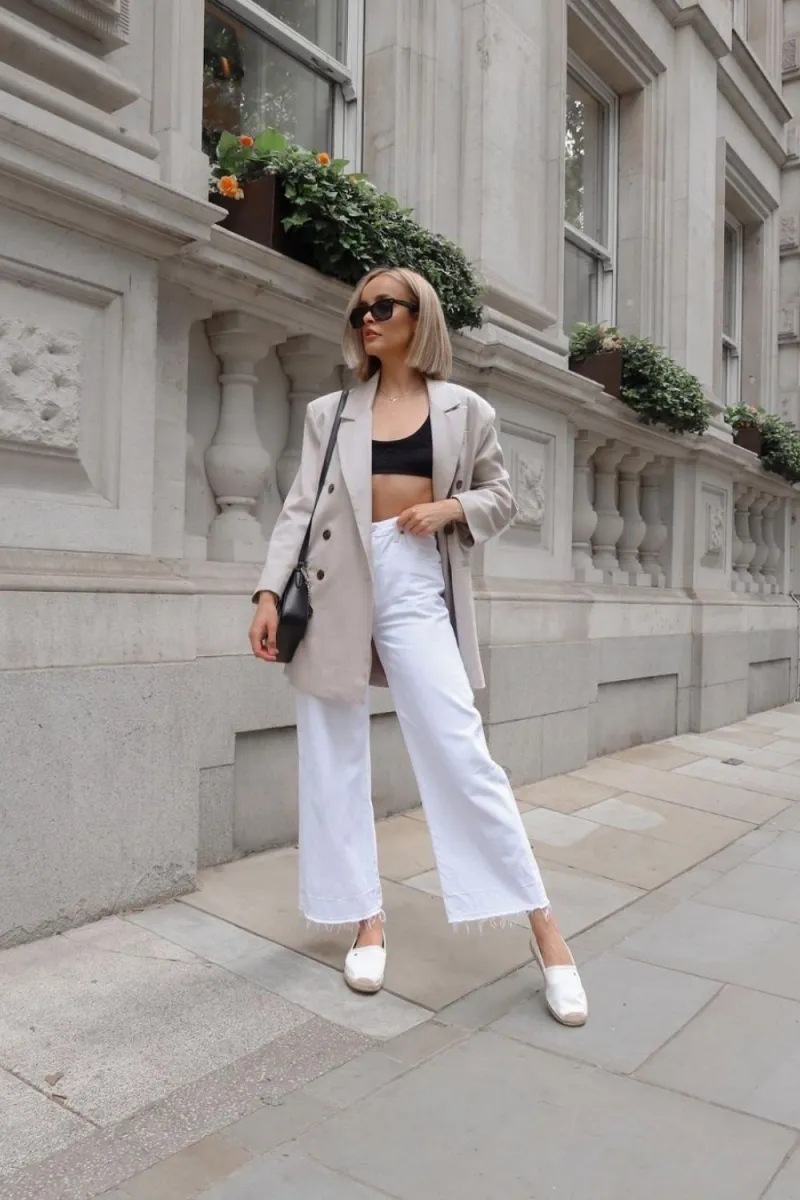
Photo: minimalist fashion outfit neutral tones young adult urban style, via www.stylebysavina.com
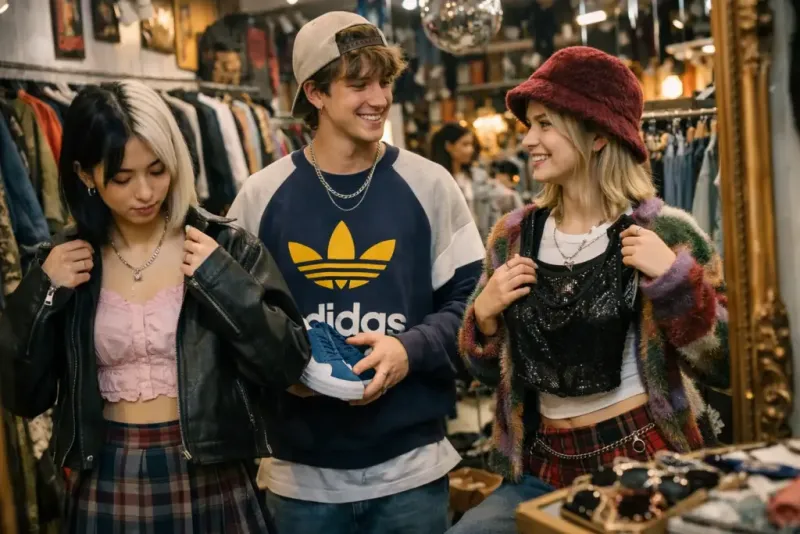
There was a time — not even that long ago — when rocking a chest full of interlocking letters or a screaming brand name across your hoodie was the whole point. The logo was the outfit. It said everything you wanted it to say without you having to open your mouth. But somewhere between the algorithm wars and a generation that grew up watching influencers drown in merch, something shifted. The flex got old. And now? The most stylish kids in the room are the ones you can't immediately price-check.
Welcome to the quiet luxury era — Gen Z edition. It's not the old-money aesthetic your parents had. It's something more deliberate, more self-aware, and honestly, way more interesting.
The Death of the Walking Billboard
To understand where we're going, you have to understand what burned us out. The 2010s were peak logomania. Supreme drops caused literal stampedes. Gucci belts became a shorthand for aspirational success across every zip code in America. Off-White quotation marks appeared on everything from sneakers to key chains to, memorably, a brick. The message was loud: I have this, do you?
But conspicuous consumption has a shelf life. When a trend becomes accessible enough that it's everywhere — when the same Louis Vuitton Neverfull is on the arm of a hedge fund manager and available as a near-perfect dupe on Amazon — the cultural cachet evaporates. The logo stops being a signal and starts being noise.
"There's a real fatigue with being a brand's billboard," says Marcus Cole, a New York-based stylist who works with musicians and athletes. "My clients who are genuinely wealthy? They stopped wearing logos years ago. Now the younger generation is catching up to that energy."
Streetwear Grew Up
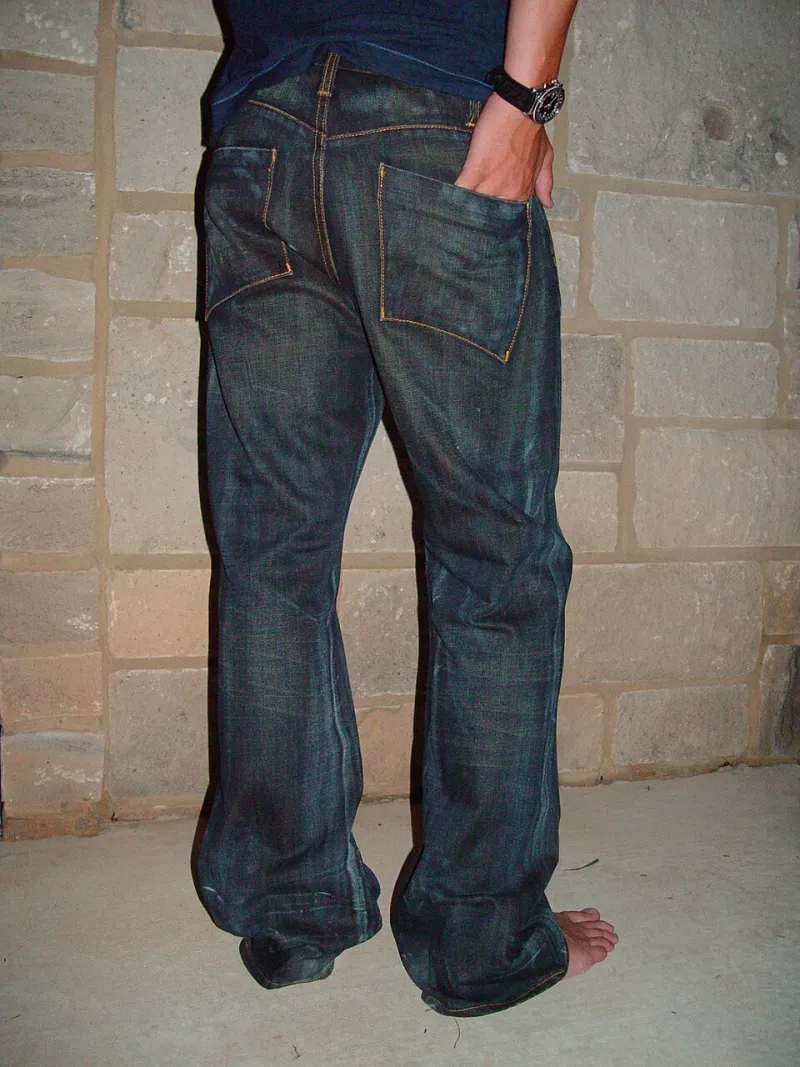
Here's the thing about streetwear in 2024: it's not dead, it just evolved. The culture that once lived and died by the drop has matured into something more nuanced. The same generation that camped outside Supreme on Lafayette Street is now reaching for Loro Piana cashmere and unbranded Japanese selvedge denim.
That evolution isn't a betrayal — it's a natural progression. Streetwear was always about more than clothes. It was about community, self-expression, and a certain kind of insider knowledge. Quiet luxury just moves that insider knowledge somewhere harder to fake. Anyone can buy a logo. Not everyone knows why a particular cut, fabric weight, or construction detail makes a piece worth owning.
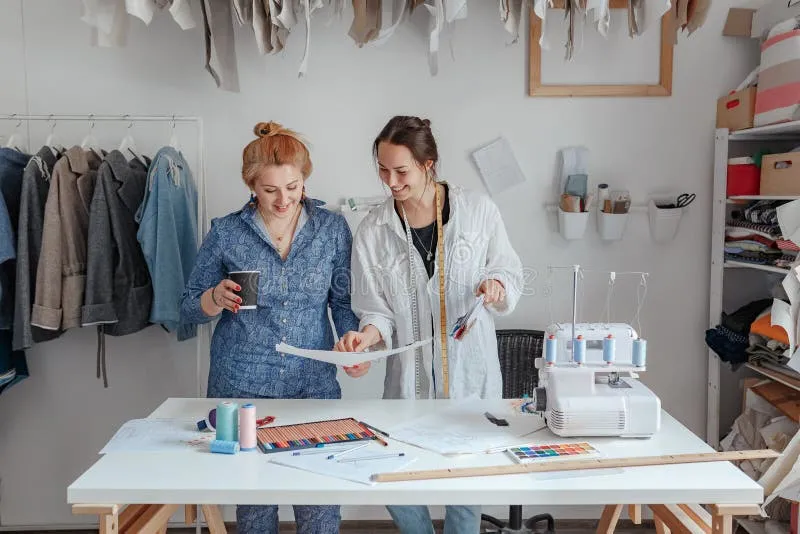
"The real flex now is craft," says Dani Reyes, a brand consultant based in LA who advises emerging labels. "When you can look at a jacket and know it's exceptional without reading a label, that's a different kind of literacy. Gen Z is developing that eye, and it's changing what they want to spend money on."
Elevated Casual and the New American Wardrobe
So what does "elevated casual" actually look like in practice? Think perfectly proportioned trousers in a muted earth tone paired with a slim merino crewneck. Think a minimalist trench coat that fits like it was made for you specifically. Think sneakers — still sneakers, always sneakers — but in clean, architectural silhouettes rather than anything screaming for attention.
Brands that have quietly surged in cultural relevance reflect this shift. Labels like Aime Leon Dore, Entireworld, and even the resurgence of interest in vintage Ralph Lauren (the understated stuff, not the stadium jacket era) are all beneficiaries. The throughline is restraint paired with clear intentionality.
This is also where the concept of "elevated casual" diverges from the old-money aesthetic that dominated the discourse earlier in the decade. Old-money dressing was aspirational in a backward-looking way — it romanticized inherited wealth and a very specific (read: very white, very East Coast) cultural tradition. Gen Z's version is more democratic. It's about personal investment in quality and fit, regardless of where you started.
The Dupe Economy Paradox
Here's where it gets complicated. At the same time that Gen Z is rejecting visible logos, they're also the generation most fluent in the dupe economy. TikTok's "dupe culture" has made near-identical versions of luxury goods not just acceptable but celebrated. So what gives?
The answer reveals something sharp about how this generation thinks. Logos were always a proxy for quality — a shortcut that said "this is expensive, therefore good." Once dupes made the logo itself reproducible, the proxy collapsed. The response isn't to abandon quality, it's to seek out quality that actually is quality, not just quality-signaling.
"If the logo doesn't mean anything anymore, you have to actually know your stuff," Marcus explains. "That's a higher bar, and I think a lot of young people find that more satisfying. It's a real education."
What This Means for the Industry
Legacy houses are paying attention. The fact that Bottega Veneta built years of cultural momentum largely through almost zero visible branding wasn't an accident — it was a blueprint. The intrecciato weave is the logo, and you either know it or you don't. Brands like The Row have built entire empires on the premise that the clothes speak quietly and the price tag is nobody's business but yours.
Smaller American brands are finding opportunity in this moment too. When the conversation shifts from "what brand is that" to "where did you find that," discovery becomes personal again. It rewards the independent boutiques, the deep vintage digs, the direct-to-consumer labels that prioritize material and construction over marketing spend.
The style game isn't over. It's just playing by different rules now — and honestly, they're better rules. The new measure of taste isn't how loudly your wardrobe announces itself. It's whether the people worth impressing already know.
And that? That's always been the real flex.