The App Is the Algorithm: How Depop and Grailed Are Writing Fashion's New Rules
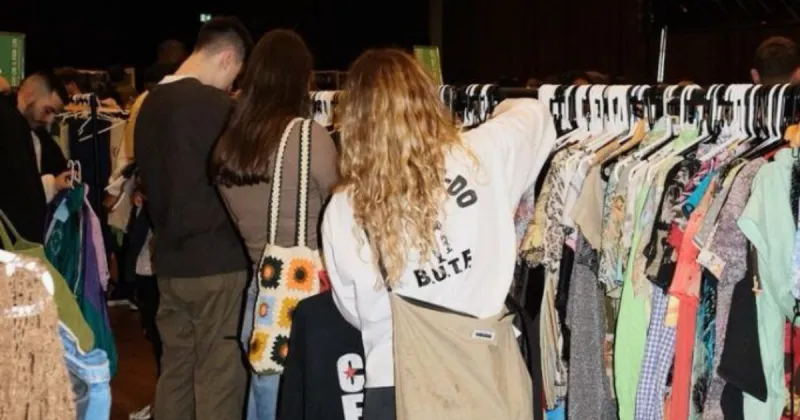
Photo: vintage clothing resale thrift shopping Gen Z urban fashion secondhand, via www.msu.edu.my
Kira sells vintage on Depop out of her apartment in Philadelphia. She has no fashion degree, no industry connections, no PR contacts. What she has is a five-star seller rating, 14,000 followers, and a sharper instinct for what's about to blow up than most buyers at major retail chains.
"I knew Issey Miyake Pleats Please was going to have a moment about eight months before it started showing up everywhere," she says, scrolling through her sold listings. "The searches were picking up. The DMs were getting more specific. When people start asking for a particular thing by name instead of just 'vintage Japanese fashion,' that's your signal."
This is how trend forecasting works now. Not in consulting firms. Not in glossy editorial meetings. In the data quietly accumulating on peer-to-peer resale platforms, read by people like Kira who've learned to treat the app like a living market report.
The Death of the Gatekeeper (For Real This Time)
Fashion has been announcing the death of the gatekeeper for a decade, usually while still deferring to the same handful of editors, stylists, and influencers. But something genuinely different has happened in the resale space. Depop and Grailed aren't just places to buy and sell clothes — they've become primary discovery engines, shaping what people want before brands, magazines, or even TikTok has a chance to weigh in.
The mechanic is simple but powerful: when a specific piece starts moving — when the same Y2K-era Helmut Lang blazer keeps selling within hours of being listed, when searches for a particular Raf Simons season spike without any obvious cultural trigger — that's real demand. Unsponsored, uninfluenced, unmanufactured. Just people deciding, collectively and organically, that something is worth money.
That signal is more honest than anything a magazine can produce, and a growing number of buyers, resellers, and even brand strategists are paying close attention.
What's Actually Moving Right Now
Spend enough time on Grailed and certain patterns become hard to ignore. Early 2000s Raf Simons, particularly the more conceptual pieces from his own label, continues to command staggering prices — a single archive hoodie can clear $2,000 without much drama. Undercover, Yohji Yamamoto, and early Comme des Garçons pieces from the 80s and 90s move almost as fast as they're listed.
On Depop, the conversation is different but equally revealing. Vintage Levi's, particularly orange tab and Big E pieces in good condition, have settled into a reliable premium. Y2K-era club wear — mesh tops, low-rise everything, bedazzled denim — had its moment and is now stabilizing into a more curated market where condition and provenance matter more than just the aesthetic.
What's emerging right now, according to several top sellers, is a renewed appetite for late-90s and early-2000s American sportswear. Not the Nike and Adidas everyone already knows — the secondary brands. Fila, FUBU, Karl Kani, Cross Colours. Pieces with cultural specificity, with a story attached, with roots in Black American style that the mainstream is only now catching up to recognizing as archival.
"FUBU is having a real moment," says Marcus, a Chicago-based reseller with a specialty in 90s American streetwear. "People are finally understanding that this stuff is historical. It's not just vintage — it's documentation."
The Reseller as Cultural Curator
What's changed most dramatically in the last three years is how seriously top resellers take the curatorial dimension of what they do. The days of flipping anything with a logo are fading. The sellers commanding the highest prices and the most loyal followings are the ones who've developed genuine points of view — who specialize, who educate, who treat their shops less like storefronts and more like editorial platforms.
Kira's Depop page reads almost like a mood board. Her listings include detailed provenance notes, styling suggestions, and context about the designer or era. "People aren't just buying clothes anymore," she says. "They're buying knowledge. They want to understand what they're getting."
This shift has turned the best resellers into something closer to taste-makers than merchants — figures whose endorsement of a piece or a designer carries genuine cultural weight. When a respected Grailed seller with 2,000 completed transactions lists something and writes a thoughtful breakdown of why it matters, that's more influential for a certain buyer than a spread in a print magazine.
Brands Are Watching (And Some Are Nervous)
Here's what makes the fashion industry genuinely uncomfortable about this dynamic: they didn't build it, they can't control it, and it's increasingly setting the terms of what's considered valuable.
Several contemporary brands have noticed that their pieces are hitting resale markets at significant markups within weeks of release — not just the obvious hype-driven drops, but considered, design-forward pieces that the resale community has decided are worth holding. That kind of organic secondary market validation is something no marketing budget can manufacture.
Other brands are watching their older pieces outperform their current collections on resale, which raises uncomfortable questions about whether their design direction is actually resonating or whether their legacy is doing the heavy lifting.
And a small but growing number of designers are actively engaging with resale culture — studying what's selling, attending Depop pop-ups, paying attention to which of their archive pieces the community is treating as significant. It's a feedback loop that didn't exist five years ago.
The New Fashion Authority
None of this means traditional fashion media is irrelevant. But its monopoly on declaring what matters is genuinely over. The kid who's been quietly sourcing and reselling for three years, who knows which Margiela season is undervalued and which vintage Nike collab is about to get rediscovered, holds a kind of cultural authority that no editorial title can replicate.
Fashion has always been about knowing things other people don't. What's shifted is where that knowledge lives, and who gets to hold it.
Right now, it lives in the apps. In the sold listings and the saved searches and the DMs where someone is asking, very specifically, if you have anything from that particular season.
Kira has three pieces from that season, actually. They're not listed yet. She's waiting for the right moment.
She usually knows when it is.