Dress, Post, Repeat: Inside the Social Validation Loop Rewiring How America Gets Dressed

Photo by Photo by alex Roosso on Unsplash on Unsplash
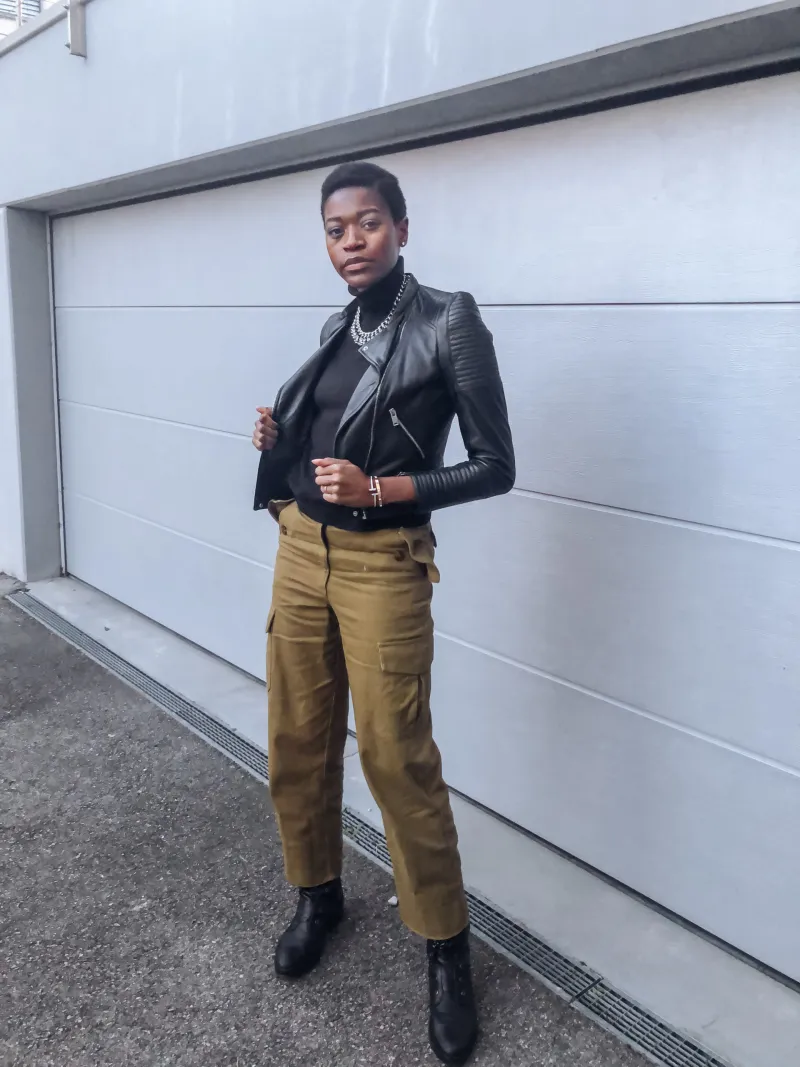
Let's be honest: you've done it. You stood in front of the mirror, threw together something you felt pretty good about, and then — before heading out the door — posted a quick mirror selfie to your close friends, your Instagram story, or straight-up to your TikTok. Maybe you captioned it "thoughts?" or "rate the fit" or just let the silence speak while the poll votes rolled in. Don't worry. You're not alone. You're just part of a massive cultural shift that nobody really put a name to until recently.
Welcome to the fit check economy — where social validation isn't just a byproduct of getting dressed, it's become the entire point.
From the Locker Room to the Algorithm
Fit checks aren't new. People have been asking "does this look good?" since the first time someone tried on a new pair of kicks. What is new is the infrastructure around that question. Instagram, TikTok, and even Reddit's r/streetwear have built entire ecosystems where outfit approval isn't a casual exchange between friends — it's a performance with an audience, a comment section, and sometimes, a paycheck.
The TikTok POV format accelerated everything. "POV: you're walking past me in NYC" videos turned everyday outfits into content. "Get ready with me" clips blurred the line between personal style and curated broadcast. Suddenly, getting dressed wasn't just about you — it was about the 40,000 people who might weigh in on whether those wide-leg trousers actually work with those platform loafers.
And here's the thing: people are genuinely shaping their purchasing decisions around this feedback loop. A 2023 survey by Sprout Social found that nearly 70% of Gen Z consumers said social media directly influenced what they bought. That's not passive scrolling — that's an active conversation between what you own, what you post, and what the algorithm rewards.
The Micro-Influencer Who Tells You If the Fit Is Hitting
Out of this culture, a new kind of style authority has emerged — and they don't need a magazine spread or a Fashion Week front-row seat to hold weight. We're talking about the personal styling micro-influencer: accounts with anywhere from 8,000 to 150,000 followers who have built their entire brand around outfit critique, styling advice, and the sacred art of the honest fit check.
Think about accounts like @fitcheck.nyc or the wave of "rate my outfit" creators who've turned candid commentary into community. These aren't celebrities pushing sponsored content (well, not only that). They're people who've cultivated trust by being real — calling out when something doesn't work, hyping what does, and building a vocabulary around style that feels accessible instead of aspirational.
The monetization angle is real, too. Micro-influencers in this niche are pulling in brand deals, LTK commissions, and Substack subscribers by packaging their taste as a service. Some are charging for "closet audits" via DM. Others have launched Patreons where paying members get personalized styling feedback. The fit check, it turns out, is a billable hour.
Is This Democratization or Just a New Dress Code?
Here's where it gets complicated — and worth sitting with.
On one hand, fit check culture has genuinely cracked open the gates of fashion criticism. You no longer need Anna Wintour's blessing or a cosign from a legacy fashion editor to feel like your style is valid. A comment section full of "OKAY THE DRIP" or a flood of fire emojis from strangers can do the same thing — sometimes better, because it feels earned rather than manufactured. For communities historically locked out of mainstream fashion spaces, this is significant. Black creators, plus-size stylists, gender-nonconforming dressers — they've built massive audiences by simply showing up and asking the crowd to weigh in.
But there's a shadow side, and it's worth naming. When your wardrobe choices become content, they also become subject to the same brutal economics as every other form of content. The algorithm doesn't care about your personal style evolution — it cares about engagement. And engagement often means conformity. What gets rewarded tends to be whatever's already trending, whatever reads clearly on a small screen, whatever fits into a recognizable aesthetic box. "Mob wife." "Clean girl." "Coastal grandmother." The categories multiply, and suddenly the pressure isn't just "does this look good?" — it's "does this fit into a category that the algorithm can serve to the right audience?"
That's a different kind of dress code. One that's harder to see because it's disguised as freedom.
The Anxiety Nobody's Talking About
Style therapists — yes, that's a real thing now — are starting to flag something worth paying attention to. The constant loop of posting, waiting for feedback, and adjusting based on response can create a low-grade anxiety around the act of getting dressed. What used to be an intimate, even joyful ritual — throwing on something that felt right — can become a stress test. What if nobody engages? What if the comments are mixed? What if the algorithm buries the post and you never find out if the fit was actually hitting?
Dr. Dawnn Karen, a fashion psychologist and author of Dress Your Best Life, has talked publicly about the way social media has shifted our relationship to clothing from an internal experience to an external performance. When validation lives outside yourself — in a comment, a like count, a saved post — it becomes harder to trust your own gut. And that's a loss, even if the likes feel good in the moment.
This isn't a call to delete your apps or stop posting your outfits. It's just a reminder that the fit check was always supposed to start with you looking in the mirror and feeling something. The crowd is a bonus. Not the point.
The Flex Is Asking the Question
What's genuinely interesting about the fit check economy is what it reveals about where fashion culture is right now. We've moved past the era of top-down style authority — the magazine, the designer, the celebrity — and into something messier, more democratic, and more anxious all at once. Style is now a conversation. And like any conversation, it can build you up or wear you down depending on who's in the room.
The most stylish people we know? They post the fit check after they've already decided they love it. The likes are just confetti.
Get dressed for yourself first. Post second. And maybe — just maybe — don't wait for the poll results before you walk out the door.