The Outfit Is Ready. You Are Not: How 'Always On' Fashion Culture Is Burning Young People Out
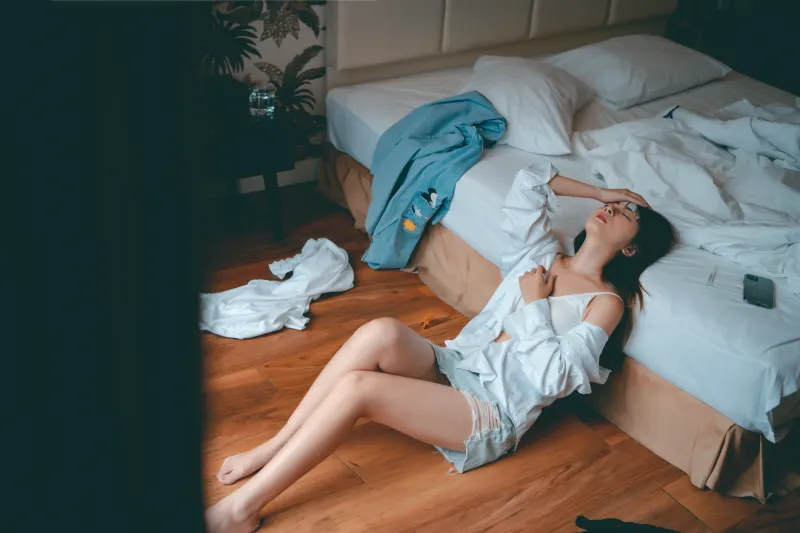
There is a specific kind of dread that hits on a Tuesday morning when you realize the outfit you planned the night before just isn't it anymore. Maybe you saw something on TikTok before your alarm even went off. Maybe the vibe shifted overnight. Maybe you're just tired — not sleepy tired, but something deeper, something that lives in the part of your brain that has been cataloging fits, color palettes, and trending silhouettes since before you finished high school.
Call it fit check fatigue. Call it style anxiety. Whatever name you give it, a quiet reckoning is happening among young Americans who built their identities around looking intentional and are only now realizing how exhausting that actually is.
Getting Dressed Became a Performance — And Nobody Auditioned for This
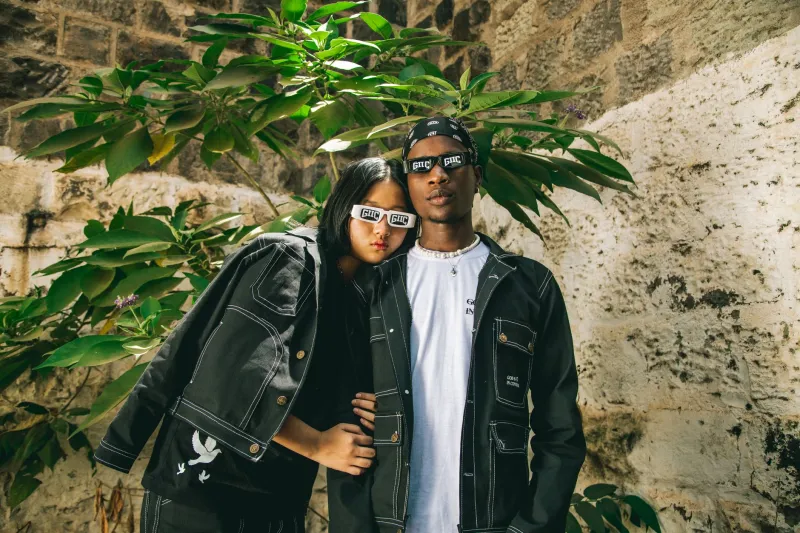
For most of human history, fashion was occasion-driven. You dressed up for church, for a date, for a job interview. The rest of the time, you wore whatever. Then social media rewired the whole thing. Suddenly, every coffee run was a potential content moment. Every errand was a possible street style photo. The sidewalk became a runway, and the runway had an algorithm.
What followed was the gradual transformation of getting dressed from a daily ritual into a form of labor. Not metaphorical labor — actual cognitive work. Researching trends, budgeting for pieces, assembling outfits, photographing them, editing them, posting them, and then monitoring how they land. That's a workflow. That's a pipeline. And for a generation that grew up watching influencers build entire careers out of looking good, it became weirdly normalized to treat your own closet like a content studio.
The problem is that most people doing this aren't getting paid. They're just spending — time, money, and mental energy — in service of an aesthetic that the algorithm will render obsolete in approximately six weeks.
The Financial Weight Nobody Talks About
Let's put some numbers on this. A 2023 survey from Credit Karma found that nearly 40 percent of Gen Z and millennials reported spending money they didn't have in order to keep up with fashion trends. That stat isn't surprising to anyone who's watched a micro-trend go from TikTok discovery to sold-out to deeply uncool in the span of a single season. The pressure to stay current is a purchasing pressure, and it compounds fast.
But beyond the obvious credit card math, there's a subtler cost: the mental overhead of managing a trend-conscious wardrobe. Knowing what's in, what's out, what's ironic, what's sincere, what reads as try-hard versus what reads as effortless — that's a full-time curation job. And unlike an actual job, there's no clock-out time.
For some people, especially those in major cities like New York, LA, or Chicago where street style culture is ambient and inescapable, the pressure is practically environmental. You're being evaluated whether you want to be or not. So you preemptively manage the evaluation. Which means you're never really off.
The Psychology of Performative Style
Dr. Carolyn Mair, a behavioral psychologist who studies fashion, has written extensively about the emotional weight of clothing choices. Her core argument — that what we wear is tied directly to how we feel about ourselves and how we believe others perceive us — has taken on new urgency in the social media era. When your outfit is subject to public commentary, the stakes of every getting-dressed decision rise dramatically.
What we're describing here has some overlap with what psychologists call "impression management" — the ongoing effort to control how others see you. It's a normal human behavior. But when it's amplified by platforms designed to reward engagement and punish invisibility, it can tip into something more corrosive. Anxiety. Perfectionism. A chronic sense that whatever you're wearing, it's not quite enough.
Among fashion-forward young adults, this manifests in specific ways: outfit paralysis, wardrobe shame, the compulsive need to buy something new before any social event, or conversely, the avoidance of social situations because the outfit situation feels too overwhelming to navigate.
The Ones Opting Out — And What They're Wearing Instead
Here's where it gets interesting. For every person still deep in the optimization loop, there's someone else quietly stepping off the conveyor belt. The "underconsumption core" trend that gained traction on TikTok in 2024 — centered on using what you already own and rejecting the pressure to constantly refresh your wardrobe — wasn't just an aesthetic. It was a response to burnout.
So was the slow fashion movement's resurgence, the growing appeal of capsule wardrobes, and the particular kind of cultural cachet now attached to wearing the same thing repeatedly without apology. When Zendaya rewears a red carpet look or a beloved creator posts a "same jeans, different week" caption, it lands differently than it would have five years ago. It lands like relief.
The opt-out isn't always total. Most people aren't abandoning style — they're renegotiating their relationship with it. Choosing fewer, better things. Buying secondhand so the financial stakes feel lower. Dressing for themselves rather than for the comment section. Small rebellions, but meaningful ones.
Style Without the Suffering
None of this means fashion is bad or that caring about how you look is something to be embarrassed about. Style, at its best, is genuinely joyful — a form of self-expression that doesn't require an audience to matter. The problem isn't the clothes. It's the infrastructure that grew up around them: the platforms, the micro-trends, the monetization of personal aesthetics, the way all of it collapsed the boundary between enjoying fashion and performing it.
The healthiest version of style culture — the one worth fighting for — is the one that lets you get dressed in the morning because it feels good, not because you're dreading what happens if you don't. It's the version where a great outfit is something you experience, not just something you document.
Fit check culture gave a generation a language for talking about fashion that felt real and democratic and exciting. But somewhere along the way, the check became a test. And tests, taken every single day with no clear grading rubric and an audience of thousands, will eventually break you down.
Maybe the most stylish thing you can do right now is put on whatever's comfortable, leave your phone on the charger, and just go live your life in it. No caption required.