Keeping It Real Will Cost You: How Fashion Turned Authenticity Into a Premium Price Tag
There's a cruel irony sitting at the center of contemporary fashion right now, and it goes something like this: the more a brand claims to be genuine, the more you're going to pay for it. Somewhere between the rise of sustainable fashion and the collapse of logo culture, the industry discovered something wild — authenticity sells. And once something sells, somebody's going to figure out how to mark it up.
Welcome to what we're calling the Authenticity Tax. It's not a line item on your receipt, but it's absolutely built into the price of that $185 organic cotton tee, that $320 pair of "ethically sourced" sneakers, and that $90 tote bag stamped with a small-batch studio's hand-drawn logo. Real costs more now. The question worth asking is whether that's actually fair — or whether fashion has just found a slicker way to keep certain people out.
The Price of Proving You're Not Fake
Let's start with the basics. Fast fashion is cheap because it cuts every corner imaginable — labor costs, material quality, environmental accountability. A $12 dress from a disposable retailer exists because someone, somewhere, was paid almost nothing to make it. Most of us know this by now. The cultural conversation around fast fashion has been loud enough that even casual shoppers have absorbed at least part of the message.
So the ethical move, supposedly, is to buy better. Buy less. Support brands that pay living wages, use sustainable fabrics, and tell you exactly where your shirt was sewn. That ethos is real, and it matters. But here's where things get complicated: the brands that have built their entire identity around that ethos have also figured out that the story itself is a product. And stories, especially good ones, don't come cheap.
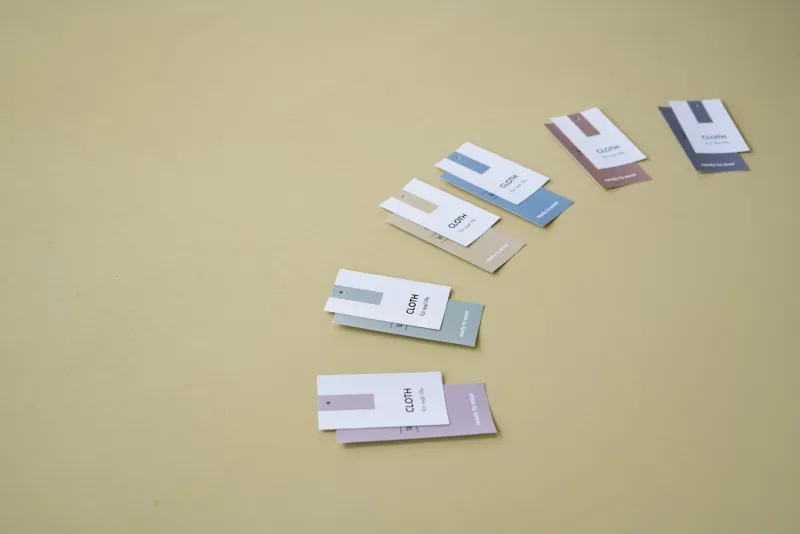
Take a brand like Patagonia — genuinely committed to environmental responsibility, widely respected, and also genuinely expensive. Their fleece jackets aren't cheap because quality and ethics cost money, and that's a legitimate equation. But then look at the wave of smaller "conscious" brands that have flooded Instagram and TikTok over the last five years. Some are doing the real work. Others have learned that the aesthetic of authenticity — the raw linen, the neutral tones, the handwritten font on the tag — moves product just as effectively as the substance behind it. The line between genuine and performed realness has never been blurrier.
Authenticity as Aesthetic
Here's the uncomfortable truth: the visual language of authenticity has been fully absorbed into the fashion marketing machine. Imperfect stitching that's actually intentional. "Naturally dyed" fabrics that cost four times what synthetic dye would. Campaigns shot in grainy film photography to signal that this brand doesn't care about polish — a signal produced by a very polished creative agency.
None of this is inherently dishonest. Craft genuinely costs more. Small-batch production is more expensive than factory-scale output. Paying workers fairly adds to overhead. These are real costs with real justifications. But the premium isn't always proportional to the actual ethics behind it. Sometimes you're paying extra for the feeling of authenticity rather than the substance of it — and the fashion industry is very, very good at selling feelings.
The result is a market where the most "real" options are priced out of reach for a huge chunk of the people who care most about them. Young people, working-class consumers, communities that have historically driven the most influential style movements in this country — they're being handed a bill for values they already live.
Who Can Afford to Be Real?
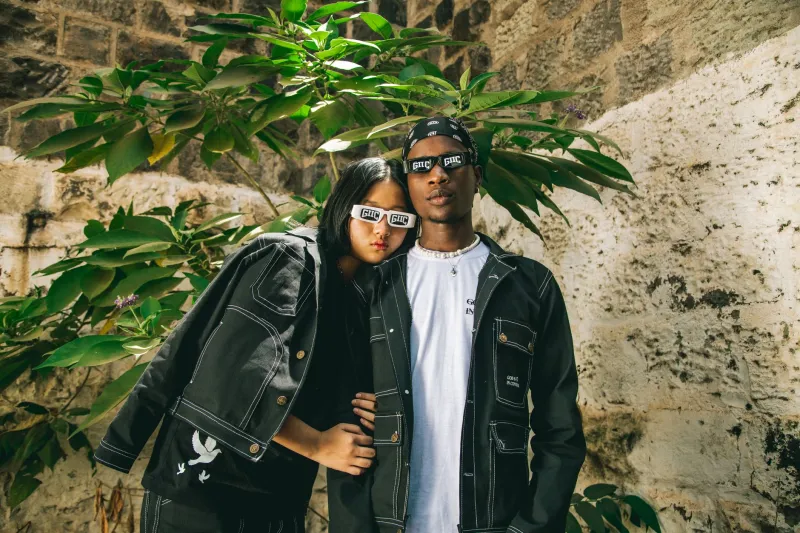
This is where the cultural credibility question gets sharp. Urban style, streetwear, Black fashion, immigrant community aesthetics — these have always been the engine rooms of what eventually becomes mainstream fashion. The realness that luxury brands are now packaging and selling at a premium? A lot of it was born on blocks and in neighborhoods where $300 for a "sustainably made" hoodie isn't a conversation anyone's having.
There's something genuinely frustrating about watching an industry extract cultural authenticity from communities that created it, reframe it as a premium product attribute, and then price those same communities out of the finished goods. It's the same loop fashion has been running for decades, just with better copywriting.
And it creates this weird inversion where the people most likely to be wearing fast fashion — not by choice, but by economic necessity — end up being framed as the problem, while the industry that manufactured the entire system skates by on its "conscious collection" press releases.
The Counterfeit Question Gets Complicated
There's another layer here that doesn't get talked about enough: counterfeits. The fake goods market has always existed alongside luxury fashion, but the conversation around fakes used to be pretty simple — real is better, fake is lesser, end of story. That narrative is getting messier.
When a $15 knockoff and a $250 "authentic" piece are both made in similar factory conditions, the moral calculus shifts. The authenticity premium stops being about ethics and starts being about access to a story. And in a culture where the story is the product, buying the fake starts to feel less like fraud and more like opting out of a system that was never designed to include you.
That's not an argument for counterfeits. There are real harms in that economy too, from intellectual property theft to genuinely dangerous production conditions. But it is an argument for honesty about what the authenticity premium is actually buying — and who it was designed for.
Realness Shouldn't Be a Luxury
The brands getting this right are the ones treating authenticity as a practice rather than a price point. That means transparent pricing breakdowns showing exactly where your money goes. It means making sustainable options accessible, not just aspirational. It means telling stories that center the makers, not just the aesthetic. And it means recognizing that style credibility doesn't come from a price tag — it comes from the culture.
Fashion at its best has always been democratic in spirit, even when it wasn't in practice. The most influential style moments in American history didn't come from people who could afford the premium. They came from people who made something out of what they had — and made it look better than anything money could buy.
The Authenticity Tax is real. But so is the kind of realness that doesn't need a price tag to prove itself. The industry would do well to remember which one actually has cultural staying power.